
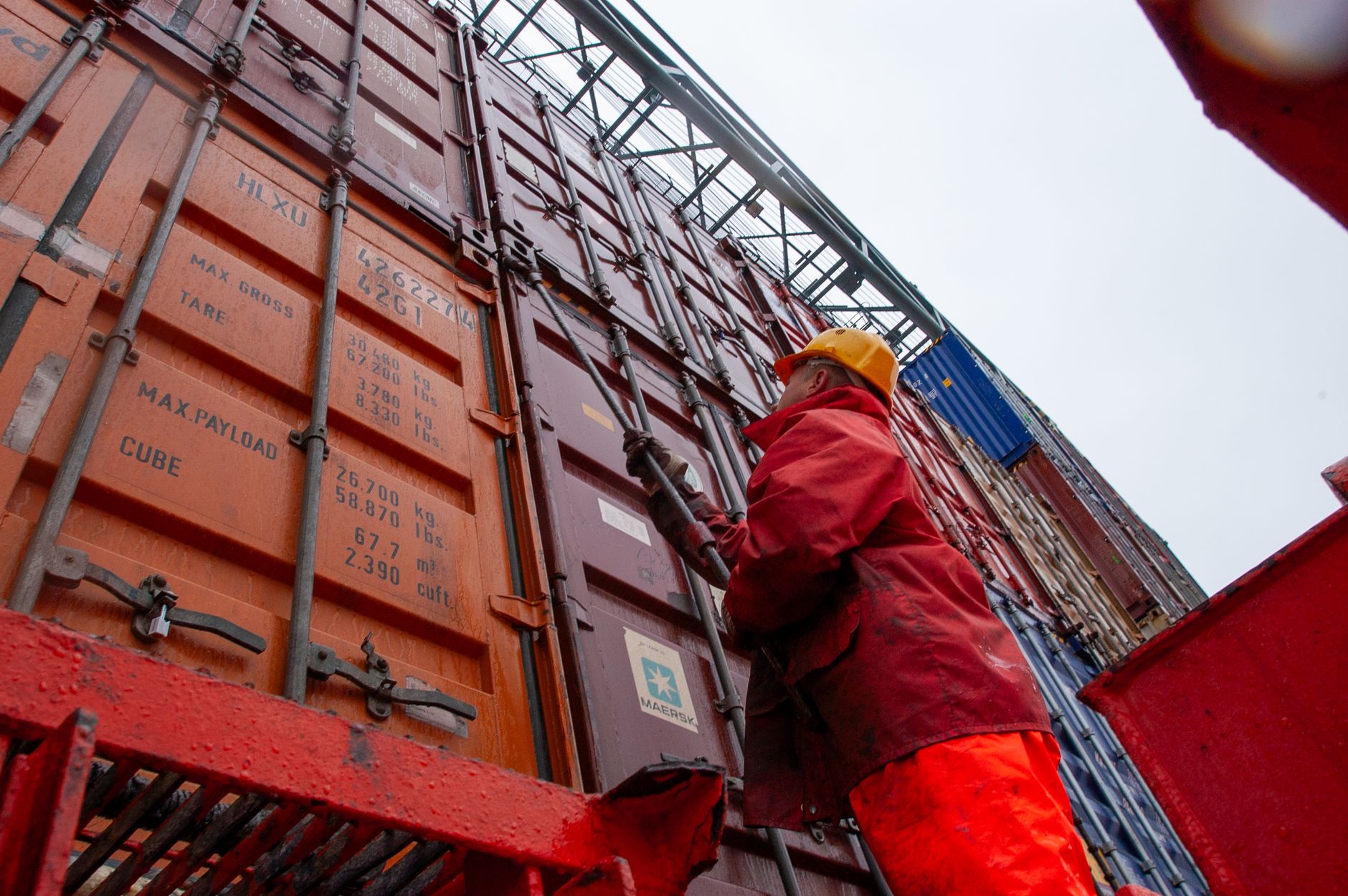
A customs seizure of imported goods creates immediate commercial pressure. Containers are held, warehousing charges rise, customers wait, and internal teams start asking for a quick release. The speed is understandable. The reply strategy, however, should not be reduced to one line: please release the goods. Customs files reward precision more than volume.
A seizure or detention file normally turns on three questions. First, why does the department say the goods are liable to confiscation? Second, can provisional release be sought pending adjudication? Third, what conditions for release are proportionate to the alleged risk? The answer may differ where the allegation concerns misdeclaration, valuation, classification, import restrictions, licence conditions, intellectual property concerns, or prohibited goods.
What the importer should prepare
The core record should include the seizure memo or detention communication, bill of entry, invoice, packing list, purchase contract, import licence or authorisation, test report, examination report, supplier correspondence, technical literature, valuation material, and proof of actual use or onward sale. If the goods are perishable, seasonal, project-linked, or required for manufacturing, that commercial urgency should be documented with contracts and timelines rather than asserted generally.
The importer should also identify the statutory stage. A request for provisional release under Section 110A is different from a reply to a show cause notice proposing confiscation under Section 111, redemption fine under Section 125, and penalty under Section 112. The same documents may be relevant, but the legal question is not identical.
The Supreme Court's Raj Grow Impex decision, delivered on 17 June 2021, dealt with release of imported goods where customs authorities alleged breach of import restrictions and sought absolute confiscation. The judgment is a useful reminder that release of goods is not a mechanical exercise where restriction or prohibition is seriously in issue. The authority and the court must balance the importer's commercial interest with the statutory purpose behind import control and confiscation provisions.
In M/S NAVAYUGA ENGINEERING CO. LTD. v. Union of India & Anr., decided on 23 July 2024, the Supreme Court explained the separate operation of confiscation, redemption fine, duty, interest, and penalty under the Customs Act. For a seizure-release strategy, that separation is practical. A release request should not accidentally concede final confiscation, duty liability, or penalty exposure. Each consequence needs its own answer.
Three mistakes to avoid
The first mistake is filing a release request without confronting the alleged legal breach. If the department says the goods are restricted or misdeclared, the request must answer that issue directly.
The second mistake is offering security without thinking through its consequences. A bond, bank guarantee, payment of duty, or undertaking may help release goods, but the language should preserve objections and appellate rights.
The third mistake is letting the evidence file remain thin. Commercial hardship is relevant, but it rarely substitutes for import documents, technical proof, authorisations, and a clear explanation of the goods.
AGS Consulting approaches seizure and release matters through a stage-wise matrix: seizure ground, goods description, statutory provision, release condition, evidence, and appeal risk. Led by Mr. Anil G. Shakkarwar, former Member (Technical), CESTAT, the practice assists importers and counsel in separating immediate release strategy from final adjudication defence.
For businesses facing seizure or detention of imported goods, early review can reduce avoidable admissions and improve the release record. To review the documents and response strategy, contact AGS Consulting for customs advisory support.
FAQs
Can seized imported goods be released before final adjudication?
Yes, Section 110A permits provisional release pending adjudication, subject to bond, security, and conditions considered appropriate by the authority.
Does provisional release mean the importer accepts confiscation?
No. The request and security documents should be drafted carefully so that release does not become an unnecessary admission on confiscation, duty, or penalty.
What documents matter most in a release request?
The seizure memo, bill of entry, invoice, packing list, licence records, technical documents, test reports, valuation material, and evidence of commercial urgency usually matter.
How can AGS Consulting assist with seizure of imported goods?
AGS Consulting can review the seizure ground, prepare a release strategy, assess likely conditions, and support reply or appeal planning for the final customs dispute.